Introduction
Ransomware attacks have become an unfortunate reality for businesses of all sizes, with small and medium-sized enterprises (SMEs) increasingly targeted due to perceived weaker defenses. One After Hours GP firm harrowing experience with a ransomware attack offers valuable lessons for other small businesses about prevention, response, and building a more secure future.
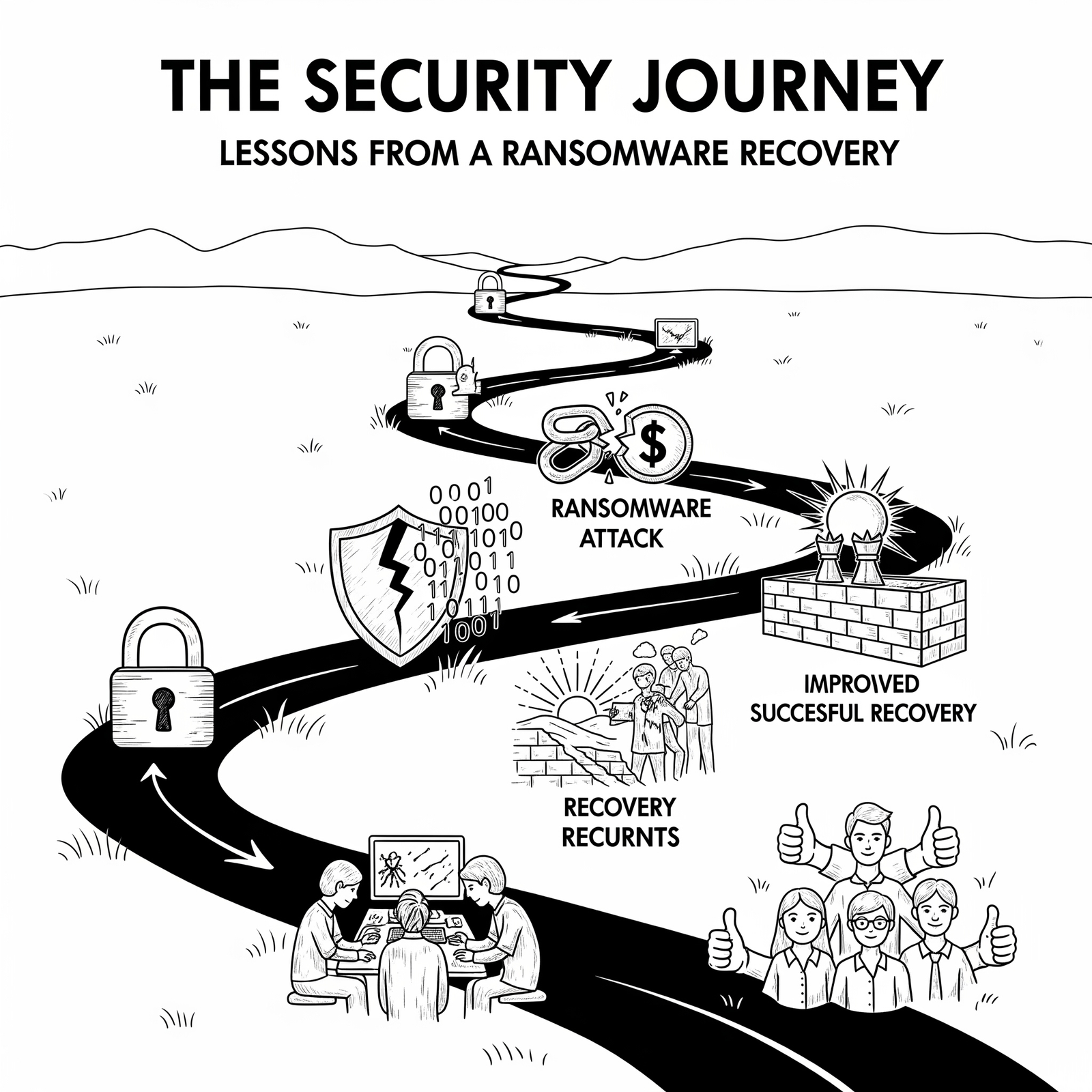
The Story: An After Hours GP Firm’s Ransomware Recovery
ABC After Hours GP firm (name changed for privacy) became victim to a sophisticated ransomware attack that encrypted critical client files and disabled their practice management system. Here’s what happened next:
-
Discovery: The firm noticed slow performance on Monday morning. By midday, they realized file extensions had been changed and systems were locked with a demand for cryptocurrency payment.
-
Immediate Response:
-
Disconnected affected machines from the network
-
Contacted their IT support provider (who unfortunately didn’t have comprehensive backup procedures in place)
-
Began notifying clients about potential data breaches
-
-
The Aftermath:
-
Client trust was severely damaged, with some high-profile cases threatening to leave
-
They spent a handsome amount on emergency IT services and legal fees related to the incident
-
Productivity ground to a halt for nearly two weeks while they rebuilt systems from scratch
-
Key Lessons for Small Businesses
-
You Are a Target
-
43% of cyber attacks target small businesses (Verizon DBIR)
-
Attackers know SMEs often have fewer resources to invest in security
-
You don’t need to be a high-profile company to be targeted
-
-
Prevention is Better Than Cure The firm’s lack of proper backups and network segmentation turned what might have been a minor incident into a major crisis.
-
Security Requires Investment While no solution guarantees 100% protection, basic measures could have mitigated the damage:
-
Regular, tested backups
-
Network segmentation to limit attack spread
-
Employee security training
-
Up-to-date endpoint protection
-
Building a Stronger Security Posture
-
Essential Security Layers
-
Firewall with intrusion prevention system (IPS)
-
Endpoint protection with behavior-based detection
-
Regular software updates and patch management
-
Multi-factor authentication for all critical systems
-
Secure backup solutions with air gap capabilities
-
-
Employee Training Programs
-
Conduct regular security awareness training
-
Run phishing simulation exercises quarterly
-
Create clear policies around password management and data handling
-
-
Incident Response Plan
-
Define roles and responsibilities for different scenarios
-
Document communication protocols with stakeholders (employees, clients, regulators)
-
Establish relationships with legal and PR experts beforehand
-
-
Continuous Monitoring
-
Implement SIEM (Security Information and Event Management) solutions if budget allows
-
Regular vulnerability scanning and penetration testing
-
Log analysis to detect anomalies early
-
Why Security Can Be a Competitive Advantage
-
Customer Trust: Demonstrating strong security practices can differentiate your business in crowded markets.
-
Business Continuity: Companies with robust security measures experience shorter downtimes after incidents.
-
Insurance Premiums: Better security posture often leads to lower cyber insurance costs.
-
Compliance Advantage: Proactive security implementation helps meet regulatory requirements for industries like healthcare and finance.
Where to Start
-
Conduct a basic security assessment (many SME-focused IT providers offer free assessments)
-
Implement “low-hanging fruit” fixes first (backups, MFA, endpoint protection)
-
Create an annual security improvement plan with measurable goals
-
Consider cyber insurance as part of your risk management strategy
Conclusion
The ABC firm’s story serves as a stark reminder that no business is immune from cyber threats—and reactive approaches often prove far more costly than proactive investments in security.
Leave a Reply